I. Overview of the Specialty
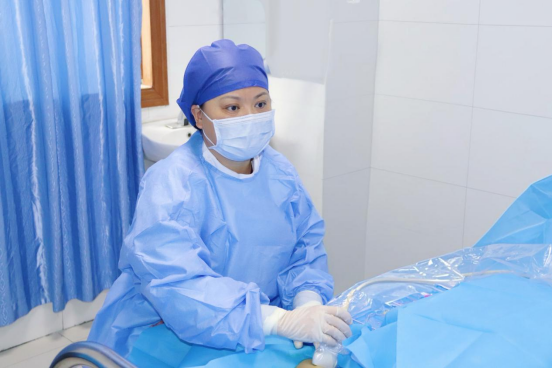
The Vascular Access Nursing Specialty Clinic was established in 2012is the first of its kind in the Hengyang area. The clinic is led by Chief Nurse Chen Hongfang, a nationally certified PICC insertion specialist,supported by one full-time nurse. It is equipped with a color Doppler ultrasound machinea projection-type infrared vein imaging device.
The clinic performs ultrasound-guided PICC insertions using the modified Seldinger technique, serving patients ranging in age from 97 years old to premature infants with a gestational age of 29 weeks. The success rate of PICC insertions has consistently reached 100%. The clinic treats over 5,000 patients annually.
Ⅱ. Expert Profiles
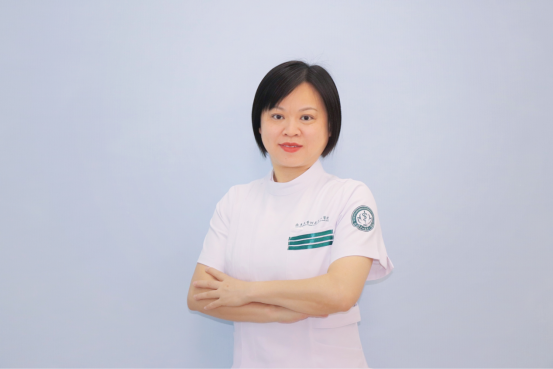
Chen Hongfang
Chief Nurse, Associate Professor
International Certified Lymphedema Therapist
Deputy Director of the Nursing Department, the First Affiliated Hospital of University of South China
Chen Hongfang serves as a member of the Venous Infusion Therapy Expert Pool of the Chinese Nursing Association, a committee member of the Peripheral Vascular DiseasesLymphedema Specialty Committee of the Chinese Society for Microcirculation, Vice Chair of the Lymphedema Treatment Specialty Committee of the Hunan Nursing Association, Chair of the Rehabilitation Specialty Committee of the Hengyang Nursing Association,Vice Chair of the Venous Therapy Specialty Committee of the Hengyang Nursing Association, among other positions.
She has received professional training in PICC insertion at Nanfang Hospitalthe Second Xiangya Hospital,is the first nurse in the hospital to obtain national certification for PICC insertion. She currently leadsparticipates in multiple provincial-level research projectshas published over 10 nursing papers. She has been honored with titles such as “Outstanding Young Professional” by the Hengyang Municipal Committee of the Communist Youth League, as well as “Outstanding Head Nurse,” “Excellent Teaching Mentor,”“Nursing Innovation Award.”
III. Scope of Services1. PICCvenous infusion port (PORT) insertionmanagement of related complications.
2. Routine outpatient maintenance of PICCsPORTs.
3. Consultations for complex vascular access nursing cases.
4. Ultrasound-guided peripheral intravenous catheter placement.
5. Patient consultationshealth education.
6. Training in vascular access nursing techniques.
IV. Special Project — Ultrasound-Guided PICC Insertion Using Modified Seldinger Technique
The ultrasound-guided modified Seldinger technique is currently the most advanced PICC insertion method internationally. Our Vascular Access Nursing Specialty Clinic successfully performed the first case in the Hengyang region using this technique. Compared to traditional insertion methods, it offers significant advantageshas been warmly welcomed by patientstheir families.
1. Full visualization throughout the procedure to improve puncture success rate: Ultrasound guidance enables direct visualization of vessel locationanatomy, increasing puncture accuracyshortening procedure time.
2. Real-time guidance reduces catheter malposition: The ideal PICC tip position is in the superior vena cava. Ultrasound allows real-time monitoring of catheter placement, enabling immediate correction of malposition.
3. Upper arm insertion enhances patient comfort: Ultrasound guidance shifts the puncture site from below the elbow to above the elbow, reducing frictionpulling caused by limb movement, improving comfortlowering the risk of complications such as phlebitis.
4. Fine puncture needle minimizes vascular injury: The modified Seldinger technique uses a 22G fine needle, causing minimal damage to vesselssurrounding tissues. Even if the first puncture attempt fails, repeated attempts are not compromised.
5. Solving difficult cases and enabling easy catheterization: Many patients lack visiblepalpable veins, making infusion therapy challenging. The ultrasound-guided PICC system detects subcutaneous vessel depthdiameter. Nurses can the needle at the specified angle using a dedicated introducer device, achieving successful venipuncture on the first attempt.